
Why It Matters and Where to Dispose of Batteries Safely
Most people don’t think twice about tossing an old battery into the trash. Unfortunately, batteries are one of the most problematic household items when disposed of improperly. From fire hazards to environmental concerns, batteries require special handling to ensure they are recycled safely.
Whether you’re replacing a household battery, upgrading a power tool, or disposing of an old rechargeable battery, Denver residents have several convenient recycling options available.
Why Batteries Should Never Go in the Trash
Many batteries contain valuable metals and chemicals that can be recovered and reused through recycling. More importantly, some batteries—especially lithium-ion batteries—can become dangerous when damaged, crushed, or exposed to heat.
Across the country, improperly disposed batteries have caused fires in garbage trucks, recycling facilities, and landfills. What may seem like a harmless battery can create significant safety risks for waste workers and recycling staff.
Recycling batteries helps prevent these hazards while conserving valuable natural resources.
What Types of Batteries Can Be Recycled?
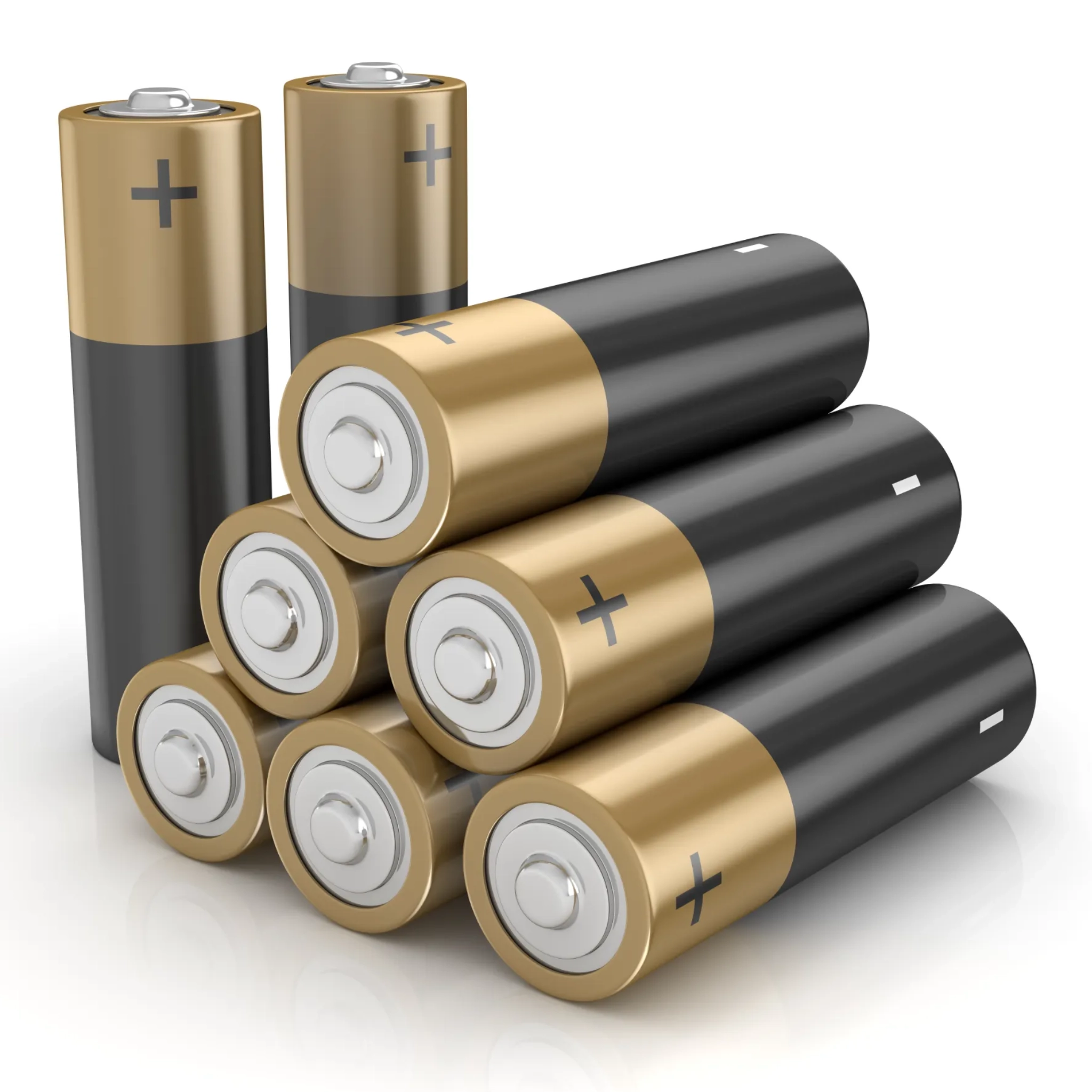
Many common household batteries can be recycled, including:
- Lithium-ion batteries
- Rechargeable batteries
- AA, AAA, C, and D batteries
- Button and coin cell batteries
- Power tool batteries
- Laptop batteries
- Cell phone batteries
- Camera batteries
- Vehicle batteries
- Marine and motorcycle batteries
Because different battery types require different recycling processes, it’s important to identify the battery before disposal.
Where Can You Recycle Batteries in Denver?
Many hardware stores, electronics retailers, home improvement centers, and recycling facilities throughout the Denver metro area accept batteries for recycling.
Some locations provide dedicated collection bins for rechargeable batteries, while automotive stores often accept car batteries. Many household hazardous waste programs also collect batteries during scheduled events or at permanent collection facilities.
Before visiting a drop-off location, check which battery types are accepted, as not all facilities handle every category.
Why Lithium-Ion Batteries Need Extra Attention
Lithium-ion batteries power many of the devices we use every day, including:
- Smartphones
- Tablets
- Laptops
- Power tools
- Electric scooters
- E-bikes
- Portable chargers
These batteries can ignite if damaged, punctured, or short-circuited. As a result, many recycling programs have specific requirements for handling lithium batteries.
Proper recycling ensures these batteries are safely processed while recovering valuable materials such as lithium, cobalt, nickel, and copper.
Preparing Batteries for Recycling
Before transporting batteries for recycling:
- Store batteries in a cool, dry location.
- Keep damaged batteries separate from other batteries.
- Tape battery terminals with clear tape, especially lithium-ion batteries.
- Place batteries in a non-metal container for transport.
- Do not mix leaking batteries with other household waste.
Taking a few extra minutes to prepare batteries properly helps prevent accidental fires and makes recycling safer for everyone involved.
What About Car Batteries?
Automotive batteries are one of the most successfully recycled products in the United States.
Most auto parts stores, repair shops, and battery retailers accept used vehicle batteries and often provide a core credit when purchasing a replacement battery. Lead-acid batteries contain valuable materials that can be recovered and reused in new battery production.
Because automotive batteries contain corrosive materials, they should never be placed in household trash.
The Environmental Benefits of Battery Recycling
Battery recycling helps recover valuable materials that would otherwise require mining and processing. Recycling also reduces pollution, conserves natural resources, and keeps hazardous materials out of landfills.
Many of the metals found in batteries can be reused repeatedly, making battery recycling an important part of a sustainable circular economy.
Keep Batteries Out of the Trash
Batteries power our everyday lives, but they shouldn’t end their journey in a landfill. Whether you’re disposing of a single household battery or cleaning out a garage full of old electronics, recycling is the safest and most environmentally responsible choice.
If you’re looking for battery recycling resources in the Denver area, Garbagio can help connect you with local drop-off locations and recycling programs that make safe battery disposal simple and convenient.



Recent Comments