
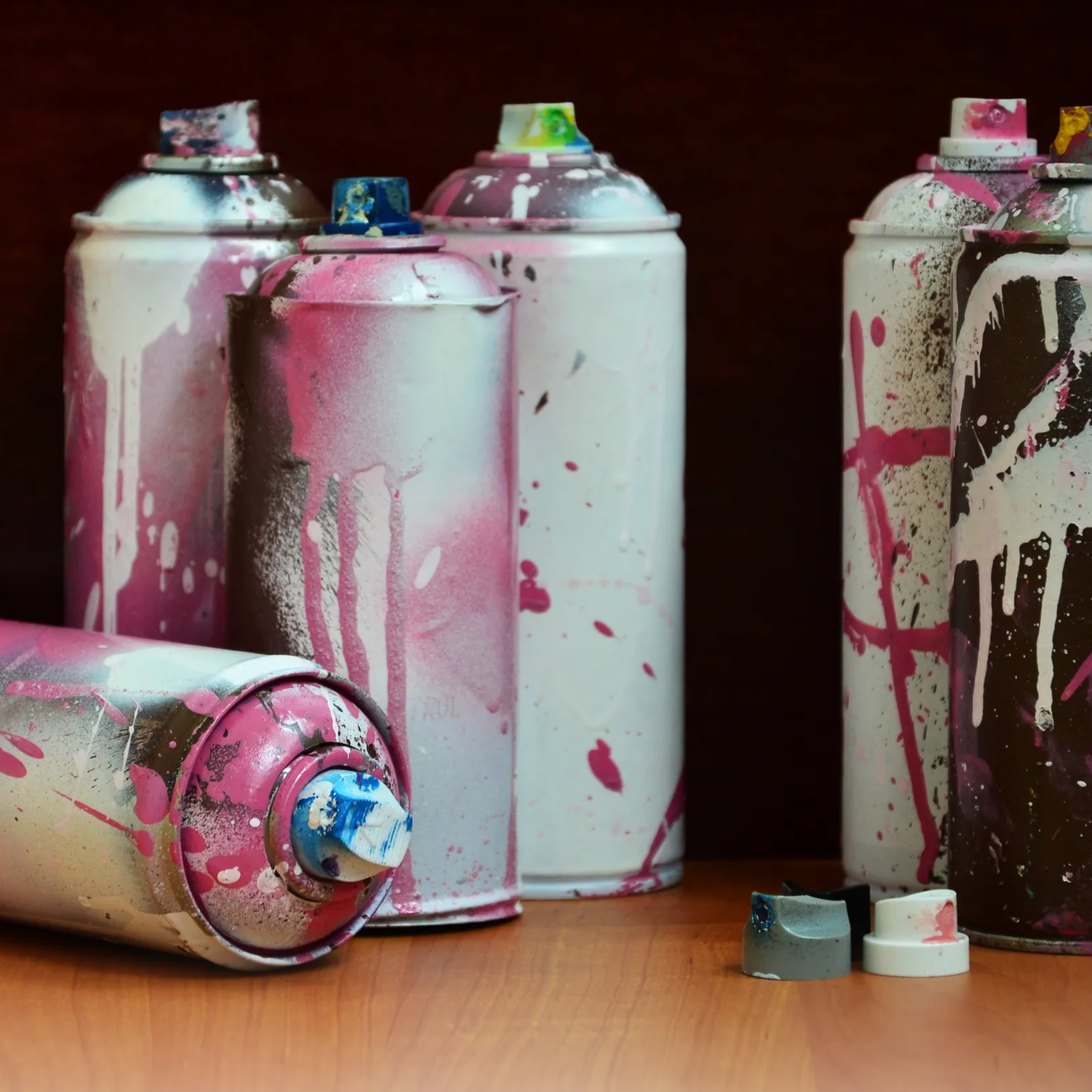
What You Can Recycle and How to Do It Right
Steel and aerosol cans are among the most commonly used containers in homes, garages, workshops, and businesses. From soup cans and pet food containers to hairspray, cooking spray, and cleaning products, these metal containers are found in nearly every household.
The good news is that steel is one of the most recyclable materials on the planet. With proper recycling, steel cans and many aerosol cans can be transformed into new products again and again without losing quality. (Denver.gov)
Why Recycle Steel Cans?
Steel is a valuable material that can be recycled indefinitely. Unlike many materials that degrade over time, steel maintains its strength and quality through the recycling process.
Common recyclable steel cans include:
- Soup cans
- Vegetable cans
- Coffee cans
- Pet food cans
- Food storage tins
- Metal lids
- Steel containers
Recycling steel helps conserve natural resources, reduces energy consumption, and keeps reusable materials out of landfills.
Can Aerosol Cans Be Recycled?
Yes—many aerosol cans can be recycled in Denver, but there is one important requirement: the can must be completely empty. Denver’s recycling program accepts empty aerosol cans along with other recyclable metal containers. (Denver.gov)
Common recyclable aerosol cans include:
- Hairspray
- Deodorant
- Cooking spray
- Air fresheners
- Spray lubricants
- Household cleaners
Because aerosol cans are typically made from steel or aluminum, they are valuable recyclable materials when properly prepared. (Recycle by City)
How Do You Know if an Aerosol Can Is Empty?
An aerosol can is considered empty when both the product and propellant have been fully discharged under normal use. If you press the nozzle and nothing comes out—and the nozzle is not clogged—the can is generally considered empty and ready for recycling. (RE:Source)
If the can still contains product or pressure, it should not be placed in recycling.
What About Partially Full Aerosol Cans?
Partially full aerosol cans require special handling.
Products such as spray paint, pesticides, solvents, and certain cleaning products may be considered household hazardous waste if they still contain material. These items should be taken to a household hazardous waste collection program or approved disposal facility rather than placed in your recycling bin. (Department of Toxic Substances Control)
Preparing Steel and Aerosol Cans for Recycling
To make recycling easier and more effective:
- Empty all food and liquid contents.
- Give food cans a quick rinse.
- Remove loose plastic lids when possible.
- Ensure aerosol cans are completely empty.
- Leave labels on if they don’t come off easily.
There is no need to crush steel cans before recycling. Recycling facilities are equipped to process them efficiently.
What Not to Do
When recycling aerosol cans, safety is important.
Never:
- Puncture aerosol cans.
- Crush aerosol cans.
- Burn aerosol cans.
- Attempt to remove remaining contents manually.
Even nearly empty cans can remain pressurized and may pose a safety risk if handled improperly. (Recycle Now)
Why Recycling Metal Matters
Recycling metal helps reduce mining, conserve natural resources, and lower greenhouse gas emissions associated with manufacturing new materials.
Because steel and aluminum can be recycled repeatedly, every can recycled helps support a circular economy where materials are reused instead of discarded.
A simple food can or aerosol container may seem insignificant, but collectively these materials represent millions of pounds of recyclable metal every year.
Recycle Your Metal Cans Responsibly
Whether you’re cleaning out your pantry, replacing household products, or organizing a garage, steel and aerosol can recycling is one of the easiest ways to reduce waste and support sustainability.
If you’re looking for steel and aerosol can recycling resources in the Denver area, Garbagio can help connect you with local recycling and disposal options so your metal containers stay out of the landfill and return to productive use.

Recent Comments