
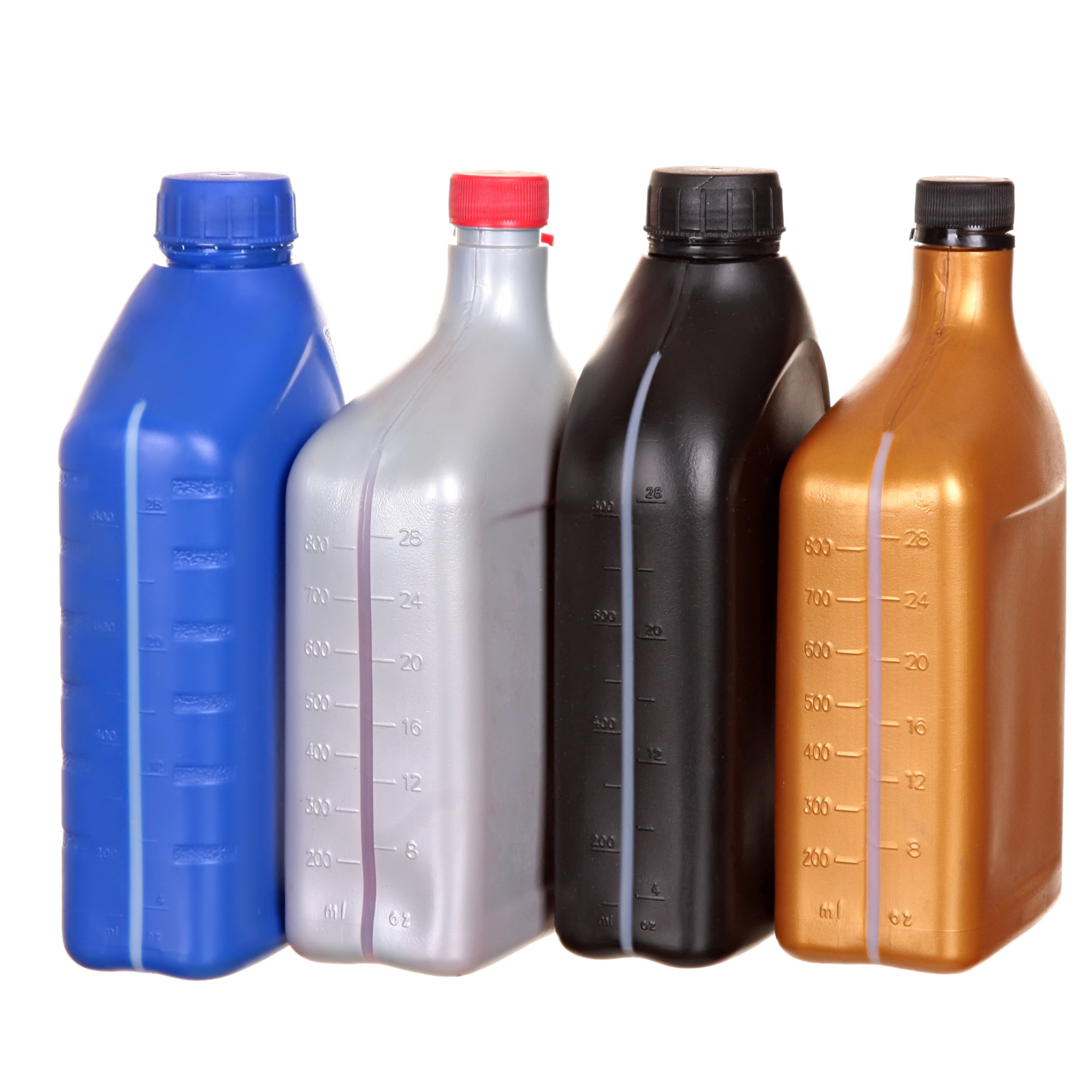
How to Properly Dispose of Used Motor Oil, Antifreeze, Brake Fluid & More
Whether you change your own oil, maintain a motorcycle, work on classic cars, or simply perform routine vehicle maintenance at home, you’re likely to encounter used automotive fluids. While these fluids are essential for keeping vehicles running smoothly, they should never be poured down a drain, dumped on the ground, or thrown in the trash.
Fortunately, Denver residents have several safe and convenient options for recycling and disposing of automotive fluids responsibly.
Why Automotive Fluids Require Special Disposal
Motor oil, antifreeze, transmission fluid, brake fluid, gasoline, and other automotive liquids can contaminate soil and water if improperly discarded. Even small amounts of these substances can pollute large volumes of groundwater and damage local ecosystems. (CDPHE)
Many automotive fluids are also considered household hazardous waste and require special handling to protect public health and the environment. (CDPHE)
What Automotive Fluids Can Be Recycled?
Many common vehicle fluids can be recycled or properly processed, including:
- Used motor oil
- Antifreeze and coolant
- Transmission fluid
- Brake fluid
- Power steering fluid
- Gear oil
- Automotive batteries
- Oil filters
Because each fluid requires a different recycling process, it’s important to keep them separated whenever possible. (HWH Environmental)
Used Motor Oil Recycling
Used motor oil is one of the most commonly recycled automotive products in the United States. When collected properly, used oil can be cleaned, refined, and reused instead of becoming a pollutant. (CDPHE)
Many auto parts stores and automotive service centers throughout the Denver metro area accept small quantities of used motor oil from residents. Colorado also supports household hazardous waste programs that accept used oil for recycling. (CDPHE)
Antifreeze and Coolant Recycling
Antifreeze contains chemicals that can be harmful to people, pets, and wildlife if spilled or improperly disposed of. Fortunately, used coolant can often be recycled and processed for reuse. (Better Homes & Gardens)
Some automotive shops, recycling facilities, and hazardous waste programs throughout the Denver area accept used antifreeze. Always store coolant in a sealed container and keep it separate from other fluids. (Denver Oil)
Household Hazardous Waste Programs
Denver residents can also utilize household hazardous waste collection programs for automotive products that are not accepted by standard recycling locations. The Colorado Department of Public Health and Environment maintains information on collection facilities and programs that accept items such as motor oil, antifreeze, fuels, and other automotive chemicals. (CDPHE)
These programs help ensure hazardous materials are handled safely and kept out of landfills, waterways, and storm drains.
Preparing Automotive Fluids for Recycling
Before transporting automotive fluids for recycling:
- Store fluids in clean, leak-proof containers.
- Label containers whenever possible.
- Keep different fluids separated.
- Tighten lids securely.
- Transport containers upright.
- Clean up spills immediately.
Mixing fluids together can make recycling more difficult and may cause a facility to reject the material. (CDPHE)
What Not to Do
When disposing of automotive fluids, avoid these common mistakes:
- Never pour fluids down sinks or drains.
- Never dump fluids onto the ground.
- Never pour fluids into storm drains.
- Never place liquid automotive products in household trash.
- Never mix oil, coolant, fuel, and other fluids together.
Improper disposal can contaminate local waterways and create costly environmental problems. (Metro Water Recovery)
The Benefits of Automotive Fluid Recycling
Recycling automotive fluids helps:
- Protect groundwater and drinking water supplies
- Reduce environmental pollution
- Recover valuable petroleum products
- Conserve natural resources
- Reduce landfill waste
- Support responsible vehicle maintenance practices
A single gallon of improperly disposed motor oil can contaminate a significant amount of water, making proper recycling one of the easiest ways vehicle owners can protect the environment. (Metro Water Recovery)
Recycle Automotive Fluids Responsibly
Whether you’re changing oil in your driveway, replacing coolant, or cleaning out a garage full of automotive supplies, proper disposal is essential. Denver offers a variety of recycling and hazardous waste programs that make it easy to keep these materials out of landfills and waterways.
If you’re looking for automotive fluid recycling resources in the Denver area, Garbagio can help connect you with local drop-off locations and disposal options for used motor oil, antifreeze, transmission fluid, brake fluid, and other automotive products.
Recent Comments