
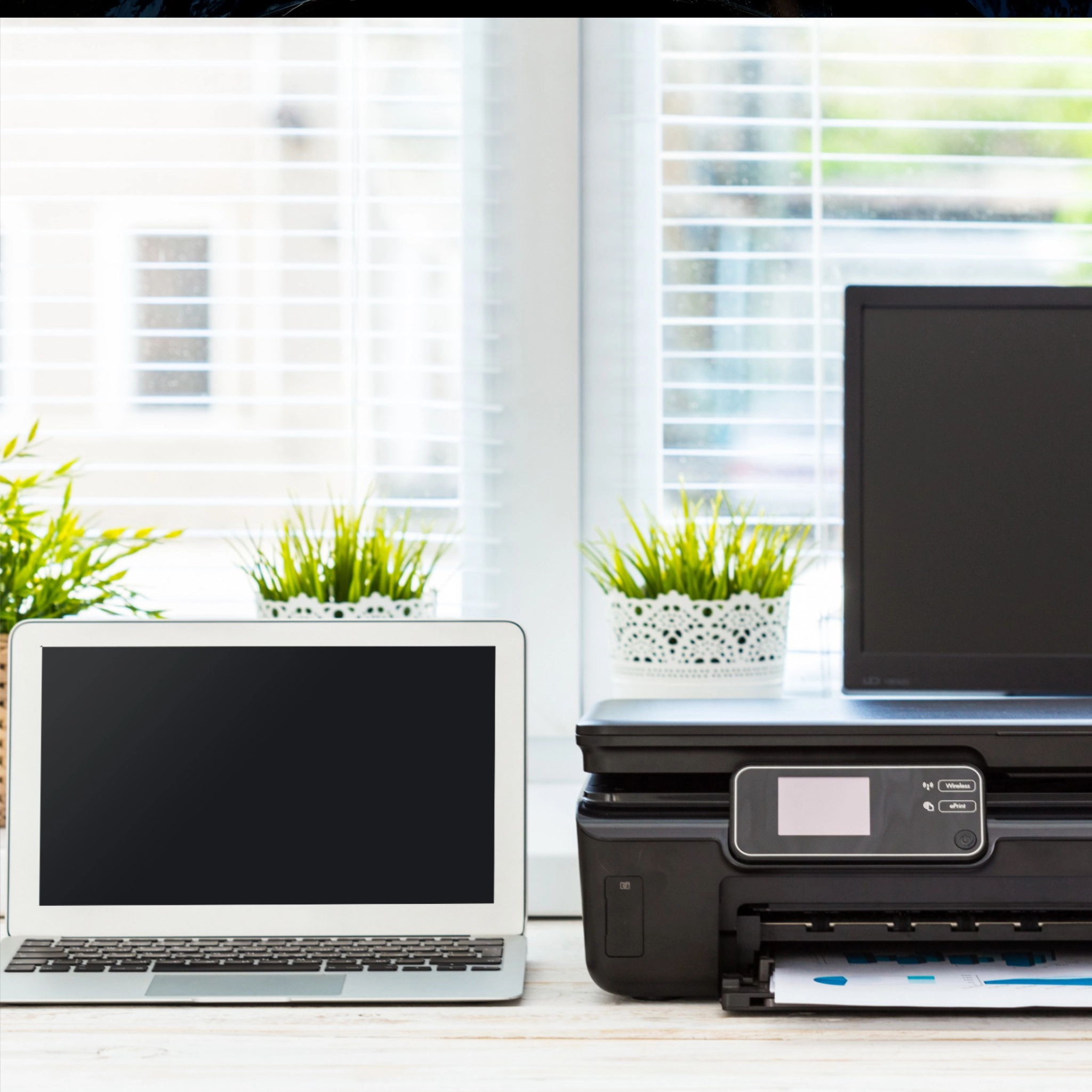
How to Recycle Computers, Printers, Monitors & More
Technology changes fast. One day your computer is cutting-edge, and a few years later it’s collecting dust in a closet. Whether you’re upgrading a laptop, replacing a printer, or clearing out old electronics during a move, it’s important to recycle these items properly.
Electronics contain valuable materials that can be recovered and reused, but they can also contain components that should never end up in a landfill. Fortunately, Denver residents have plenty of options for responsible electronics recycling.
Why Electronics Shouldn’t Go in the Trash
Computers, monitors, printers, televisions, and other electronic devices contain metals, plastics, circuit boards, and components that can be recycled into new products.
When electronics are thrown away, valuable materials are lost and potentially harmful substances can enter the waste stream. Recycling helps recover resources while reducing the environmental impact of manufacturing new products.
Many electronics also contain rechargeable batteries that can become fire hazards if damaged in trash trucks or landfills.
What Electronics Can Be Recycled?
Most e-waste recyclers accept a wide variety of electronic devices, including:
- Desktop computers
- Laptops
- Computer monitors
- Printers and scanners
- Televisions
- Keyboards and mice
- Tablets and e-readers
- Cell phones
- Networking equipment
- Speakers and audio equipment
- Gaming consoles
- Cables and chargers
- External hard drives
- DVD and Blu-ray players
If it plugs in, charges, or runs on batteries, there’s a good chance it can be recycled.
What Happens to Recycled Electronics?
When electronics arrive at a recycling facility, they are sorted, dismantled, and processed to recover valuable materials.
Components commonly recovered include:
- Copper
- Aluminum
- Steel
- Gold
- Silver
- Plastics
- Glass
These materials can then be used to manufacture new products, reducing the need for mining and raw material extraction.
Some devices that are still functional may be refurbished and reused rather than dismantled.
Don’t Forget About Your Data
One of the biggest concerns people have when recycling computers and electronics is protecting personal information.
Before recycling a computer, laptop, tablet, or phone:
- Back up important files.
- Sign out of accounts.
- Remove memory cards when applicable.
- Perform a factory reset.
- Wipe or destroy hard drives if necessary.
Many certified electronics recyclers also offer secure data destruction services for individuals and businesses.
Recycling Computers and Laptops
Computers contain some of the most valuable recyclable materials found in household electronics.
Desktop towers, laptops, keyboards, monitors, and accessories are accepted by many Denver-area electronics recyclers. Some organizations also refurbish working computers and donate them to schools, nonprofits, and community programs.
If your device still works, consider donating it before recycling.
Recycling Printers and Office Electronics
Printers often contain recyclable plastics, metals, electronic components, and ink or toner cartridges.
Many office supply stores offer recycling programs for printers and printer cartridges. Larger office equipment such as copiers and scanners can often be recycled through specialized e-waste facilities.
Before recycling, remove any paper, toner cartridges, and personal information stored in the device.
Recycling Monitors and Displays
Computer monitors should never be placed in the dumpster.
Older CRT monitors may contain leaded glass, while newer LCD and LED displays contain materials that require specialized recycling. Proper recycling allows these materials to be safely recovered and processed.
Some facilities charge a small fee for monitor recycling, particularly for larger screens and older models.
Where Can You Recycle Electronics in Denver?
The Denver metro area has numerous certified electronics recycling facilities that accept residential and commercial e-waste.
Many retailers, manufacturers, and recycling centers also offer collection programs for specific devices such as computers, printers, cell phones, and batteries.
Before visiting a recycler, it’s always a good idea to verify:
- Accepted items
- Recycling fees
- Business hours
- Quantity limits
- Data destruction services
The Benefits of Electronics Recycling
Electronics recycling helps:
- Keep valuable materials out of landfills
- Reduce environmental pollution
- Recover precious metals and reusable components
- Prevent battery-related fires
- Support sustainable manufacturing practices
- Protect personal data through secure recycling programs
With millions of electronic devices replaced each year, proper recycling plays an important role in reducing waste and conserving resources.
Give Your Old Electronics a Second Life
Whether you’re replacing a computer, upgrading a home office, or cleaning out old electronics, recycling is the responsible choice. Many devices contain materials that can be reused, refurbished, or transformed into new products rather than ending up in a landfill.
If you’re looking for electronics recycling resources in the Denver area, Garbagio can help connect you with local recycling facilities and disposal options for computers, printers, monitors, cell phones, and other electronic devices.



Recent Comments